

By Howard Deevers
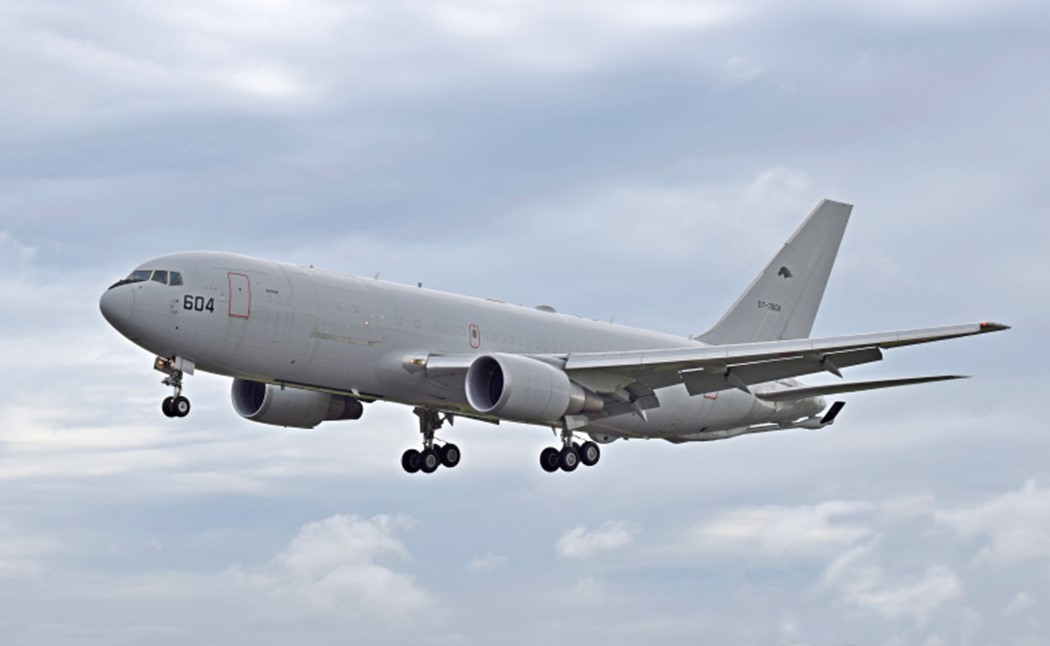
Two Boeing airliners have lost a wheel over the last few months. A Boeing 767 departing from San Francisco lost a wheel right after take-off. The wheel hit a car in the employee parking lot. A few months later, a Boeing 777 departing Los Angeles lost its wheel, which was subsequently found in a residential neighborhood. In both cases, the airplanes made safe landings with no injuries to anyone.

Such large aircraft losing a wheel is actually a very rare event. The wheels are large, heavy, and probably moving fast. If that wheel were to strike a person on the ground, it would likely be fatal. Fortunately, no one was injured by falling wheels from the Boeing airplanes.
My loss of a wheel was not dramatic enough to make the news, but it was dramatic enough for us pilots of the Piper Arrow. I have had at least three flat tire incidents on airplanes, but this was different. The nose wheel actually fell off of the airplane!
No one was injured by this falling wheel, at a non-towered airport in southern Arizona. I was doing training with the Arrow’s new owner, and on a landing, we were unable to keep the plane in the center of the runway. It looked like we would exit the pavement and go into the grass to the left of the runway. I took control and did a go around. I thought that we had a low tire or flat tire on the left main wheel causing us to pull to the left. On the departure leg, I tried to retract the landing gear, but it would not give us a safe three-light, gear up indication.
The owner and I discussed our options at this point. We stayed close to the airport. The plane is based at Tucson International Airport, and we thought about returning there. The possibility of having a major landing gear issue at Tucson, and closing the airport even for a short time, was not appealing. I suggested we do a landing back at the training airport, performing a soft-field landing as close to the runway turn off as practical, and use NO brakes at all. That worked, and we were able to get off the runway and stop.
I was still thinking it was a flat, or very low, tire. We shut down the engine and got out to look. Both main wheels were OK, but the nose wheel was missing!!! All that was left was part of the hub of the wheel, still attached to the nose axle, and no tire to be seen. We were rolling on that hub only and were lucky to still be on the hard surface. If we had rolled into the dirt off the runway, it would have resulted in a prop strike, and been a much bigger incident. My student, a private pilot with some good flight time in his logbook, remained calm throughout the whole event.
After inspecting the nose wheel, we needed to get the plane towed to a parking place, but we were not going to try to taxi any further than where we were stopped. Of course, both of our cars were at Tucson Airport, so my student called his wife for a ride. She was relieved to hear that we were OK, and so was the plane, and agreed to come pick us up.
My next thought was: Where is the rest of the wheel? We started searching the airport grounds, and with the help of another pilot friend flying there, located the wheel about 2000 feet from the end of the runway. We found one half of the hub with the tire and tube still attached, and rapidly made a closer inspection.

Airplane wheels and tires are not like auto wheels and tires at all. The wheel is in two parts and is made of cast aluminum. Examining the parts, we could see that a stress crack had given way and allowed that half of the wheel to separate. Was this something we should have caught on a preflight inspection? No pilot wants anything to fall off their airplane in flight, but this was not something that you would be able to see without removing the whole front wheel assembly, tire, and tube.
We located a loaner part the next day and used it to fly the plane to fly back to Tucson. The owner immediately ordered a new hub, tire, and tube, and about five days later, I helped him replace the loaner items with new parts and return the airplane to safe flying condition.
This event made me wonder if those Boeing airplane wheels could have been discovered on a preflight inspection. Again, the answer was probably not. Pilots are not mechanics in most cases, and airline planes undergo a different inspection process than the usual annual inspection that GA planes go through. This incident has caused me to spend more time looking at the wheels on my airplane. It is very inconvenient to have to look for parts that fell off your airplane. And not being as big as a Boeing, we might never find that part!
Want to know more about aviation safety? Come to a free safety seminar sponsored by ARIZONA PILOTS ASSOCIATION and the FAASTeam. Check the website for a location near you, and don’t forget to “Bring your wingman.”