

By Howard Deevers
Have you ever done something wrong and wondered, “How did I make that mistake?” Another word to use here is “habit.” We get into a habit of doing the same things over and over. How many times have we driven out to the street and turned right? Then, on a day that we planned to go left, we turned right anyway. Oh, well, I will just have to make a U turn in the next block and go where I intended to go.
Expectation bias happens in all phases of our lives. It could be said that it is just the way our brains work. Maybe so, but we need to be aware that harm can come from that, also. Most of the things we do with our expectation bias are harmless, or just simply inconvenient, such as turning the wrong way in our car or leaving the car keys in a different place than we usually do. If those car keys are not in the usual place, I have to spend some time looking for where else I might have put them, another inconvenience.
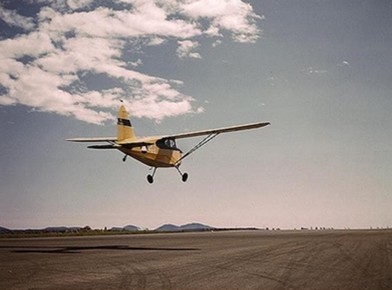
It happens in aviation, also. We expect to do something that we do so very often, but when there is a change, we can make a wrong turn. Even taxi for take-off. When you use the same runway almost every time, and then Ground Control gives us another runway, and even if we read that back to them, make the wrong turn as if going to the same runway we usually use. It is embarrassing when Ground Control has to correct us to make a turn and taxi to the assigned runway.
It happened to me on a take-off. I was taking my son for a sightseeing trip around Akron, Ohio. I asked the Tower at CAK for a right turn out after take-off. The tower instructed “make left traffic.” I read that back, but was so fixed on making a right turn, that after take-off, I did turn right. The tower did tell me that I was instructed to make left traffic, but they did not give me a violation as there was no other traffic in the area at that time. It got my attention that I had made such an error, even after reading the instruction back. If a conflict with other traffic were to occur, you could get a “Pilot Deviation” violation. (That expectation bias happened to me about 20 years ago, but stays with me as a constant reminder so I don’t do that again).
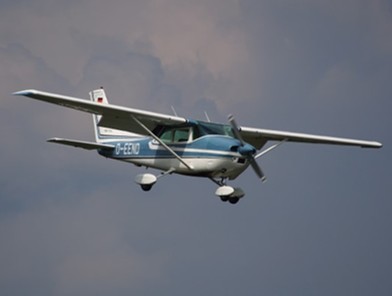
Since I have been a victim of this myself, I spend time with students to try to explain how it can happen and how to protect yourself from this event. We train for things like aborted take-offs. We may have expectation bias that the plane will take off at rotate speed, but what if it does not? You only have seconds to react and stop the plane on the runway. We cannot simulate every possibility in training, but we must at least talk about the expectation that we will have and what to do about it. I am still open to new ideas, so if you have one, please send it to me.
For information on safety seminars check the website for a location near you. They are free, and “Don't forget to bring your wingman.”