

By Howard Deevers
Just like many other pilots who learned to fly, my intention was to have more mobility and efficient travel with aviation. And I must say that avi-ation has been a very good way to travel. I would not have seen so many parts of this country if it had not been for my ability to fly. What I did not think about while learning to fly is that every flight is a learning experience. Just like many other pilots who learned to fly, my intention was to have more mobility and efficient travel with aviation. And I must say that avi-ation has been a very good way to travel. I would not have seen so many parts of this country if it had not been for my ability to fly. What I did not think about while learning to fly is that every flight is a learning experience.
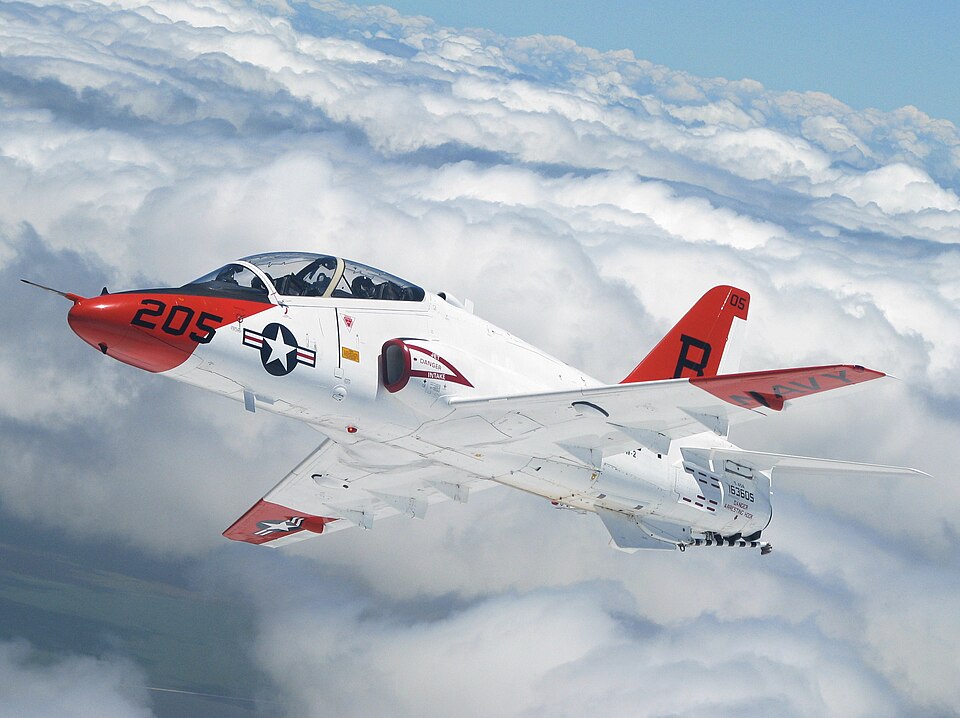
Shortly after passing my private pilot check ride and getting checked out in all of the Club aircraft, I started making long cross-country flights. All VFR of course.
I would spend hours with Sectional Charts (long before GPS) planning my routes, fuel stops, and many other things. I became very good friends with Flight Service, and they would, and still do, give me advice on weather fronts and other possible weather that I would not like to fly in. I made quick deviations to another airport to avoid the weather. Sometimes it was sitting on the ground for only a few hours, on other times I might be there for two nights before completing a flight. All of those flights were learning experiences.
Then I realized that if I were to use aviation even better that I would need an Instrument rating. More learning experiences were involved in that adventure. After getting an Instrument rating, and during training, you learn that there is still weather that you will not fly in. An Instrument rating is a real as-set to help you get into or out of an airport in low visibility weather, but the Instrument rating comes with responsibility as well. There is still weather that you will not fly in with single engine airplanes that cannot climb over the tops of weather like the airlines do. And you need to keep that rating up to date by flying at least practice instrument approaches with a safety pilot. Being an Instrument in-structor, I still get surprised when flying with other Instrument pilots. Sometimes I ask myself why did he do that? Every flight is still a learning experience, and I learn something every time. It hasn't changed since my first solo flight.
Flying clubs are a great way to share experiences. There may be experiences that were “close calls” or others that we talk about over a cup of coffee. Some learning experiences are from real emergencies where it is necessary to get the airplane on the ground and keep the plane and passengers from being the subjects of an acci-dent report. One of my earliest learning experiences was an engine running rough. Flying from Hartford to Teterboro while right over downtown Hartford, a cylinder cracked on the Turbo Arrow I was flying. Fortunately, I was still talking to Hartford Departure and told him about the problem. I ex-pected to return to Hartford, but my oil pressure was going down, and I doubted that I would make it back before the engine quit. Looking around, I found another airport close by, and the controller and I agreed that I should land there. I made an uneventful landing and was at that airport for a few days while the Club sent a mechanic and new cylinder from Pittsburgh to repair the engine. On other flights, everything is going very well, only to find that you have a flat tire on one of your main tires upon landing. The most important thing here is not to lose control of the plane on the ground just because of a flat tire. Other learning experiences are not so dramatic, such as spilling popcorn all over the floor of the plane while in flight. I learned to put the snacks in larger bags so that I could control the contents easier after that one.
Most of my learning experiences these days come from flying with other pilots that do something I did not expect, and then have no plan on how to get out of the problem they are in. Air Traffic Control has a standard short question for you when you do something like that: “What are your intentions?” If you don't have an alternate plan in mind, you had better come up with one quickly. After every flight, while I tie the airplane down, I ask myself, “What did I learn from that flight?” Sometimes the answers are very surprising.
If you want to learn more about aviation safety, come to a Safety Seminar sponsored by your ARI-ZONA PILOTS ASSOCIATION. They are free and you can get WINGS credit for attending. Check the website for a time and location near you. And don't forget to bring your wing man!