

The summer heat is on, and it has been a bit challenging to go on some of the jaunts for Saturday morning breakfast. In some cases, I’ve simply avoided them because of the heat, but if you’re up to it, let’s go flying!
This month’s report may be bit limited because I will be going to the EAA AirVenture in Oshkosh, Wisconsin, along with many others in the aviation community.
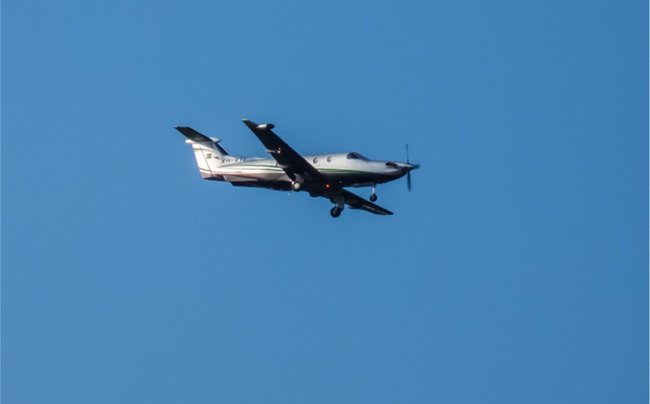
It’s a bit difficult to guess what Mesa Falcon Field may do with their landing fee schedule now that the FAA headquarters has gotten involved. Apparently, the threats of legal action, and the very negative national attention that has been generated, have resulted in the landing fee being placed on hold for approximately 90 days. The increase in all the other costs is still going forward.
There is a concern that the landing fee problem could wind up at other airports, and this could result in being a real safety issue regarding pilot training and pilots not maintaining their proficiency.
There are many states that are now looking at the misuse of the ADS-B information that is being transmitted and are looking at generating state legislation prohibiting the use of ADS-B information for commercial purposes. This is really a safety issue, and more importantly, national legislation on the ADS-B issue needs to be passed soon to prevent a patchwork of inconsistent laws around the country.
I’m sure you are aware of the proposal by the Department of Energy and ASU to use tethered balloons located near the Deer Valley and Glendale airports to conduct monsoon weather research. Obviously, this created a significant amount of concern in the Arizona general aviation community based on the safety issues it would create in this congested airspace. The good news is that this proposal has been canceled based on further review by the FAA and input from Luke AFB and the general aviation community at large.

MISCELLANEOUS ITEMS
FAA
We haven’t heard of anything from the FAA that would impact your flying activity, but be assured that APA will always be on the alert for any rule changes that could impact your flying and inform you immediately. In the meantime the FAA has been moving forward with their Modernization program, and all appears to be going well. I would hope that we will soon see some of the results on a local level.

At the EAA AirVenture in Oshkosh, the Administrator said that the FAA in the coming year is going to focus on three key areas: safety, people, and innovation/modernization. Regarding safety, he discussed issues to avoid future midair collisions, such as the recent one at Reagan National Airport, and what they could do better to avoid a situation such as this. The FAA will be working more closely with the NTSB, and look into opportunities to make the system safer overall. The Administrator said that they are struggling to bring more people on staff, and that last year they exceeded their goal of bringing approximately 2,200 controllers online. They are on track to exceed their staffing goal for this coming year. He also said that they need to address the problem of outages they have had with the current system, and that they have the funding to build a new infrastructure and modernize the airspace, making it more responsive to the users.
The FAA Control Tower at Marana Regional Airport is still in the planning stage. The big, time consuming stage of doing the Environmental study is past. Hopefully, in the very near future, we can see the start of the construction phase.
AIRSPACE

Based on what we have heard at aviation meetings that we have attended, the civilian and military parachute activity around the central part of the state is still relatively static for the summer months. Be advised that some of this is military and contract parachute activity, and that some of this is may also be occurring during the night time hours and may be from Flight Level altitudes with both high altitude and low altitude parachute deployment. Remember, the high altitude operations may result in parachutes descending through airspace far removed from the final landing site. If you can determine the surface wind direction, the safest place will be downwind of their Drop Zone. Always check NOTAMS for parachute activity on your route of flight, and if possible, use Flight Following for your proposed flight to receive flight advisories and monitor enroute facility frequencies for parachute activity. The parachute icon on the chart is a warning that there might be parachutists in the area.
We still haven’t heard anything regarding the Air Force proposal to modify the MOA’s in the area or the proposal to modify the dimensions of two of the class delta airspaces in the Phoenix East Valley area.
SAFETY
Normally the FAA SDL FSDO provides us with the FAA input for the Accident/Incident and NMAC reports and also provides all the information for the Pilot Deviation reports. We very much appreciate their efforts, however at this time, because of the annual EAA AirVenture in Oshkosh, this information will be missing for this reporting period.
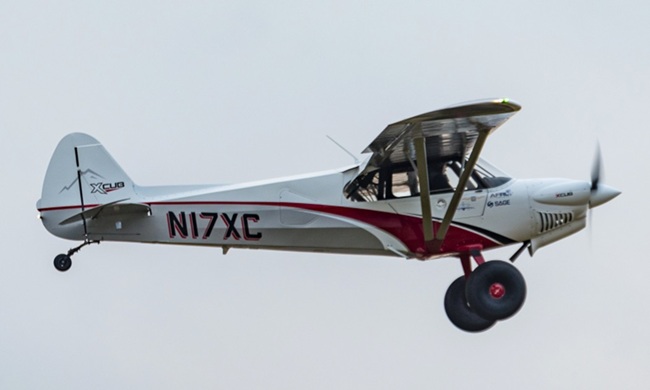
Because of the missing FAA information, the aviation Accident information will be a bit limited this month. For details of the accidents reported, see my Accident Report located elsewhere in the newsletter.
Members, please continue to send accident information to This email address is being protected from spambots. You need JavaScript enabled to view it. with the date, location, aircraft make, if anyone was injured, and with as much detail as possible. Thank you.
CONSTRUCTION
Because a major project is still in process on the south side of Phoenix Deer Valley Airport (DVT), some of the taxiways may have been changed. While some of this activity may have been completed, the normal taxi routing may have been changed in some cases. So be sure to get airport NOTAMs and study them before your arrival.
Tucson International Airport still has a major construction project underway, and this could impact your arrival. Always get the latest airport NOTAMs, and study them well before your arrival.

Numerous other airports around the state may have construction projects planned, or in progress that we aren’t aware of. So always get NOTAMs at your destination airport so you don’t have a surprise on your arrival.
APA works with airports around the state assisting with the updating of their Airport Master Plan by providing the pilot, and aircraft owner’s perspective in the process. The Airport Master Plan Update process usually requires about a year for completion.
THINGS TO DO - PLACES TO FLY FOR BREAKFAST
The fly-in breakfast at Coolidge Municipal Airport (P08) is on the first Saturday of the month during the cooler part of the year, and the next one is scheduled to be in October.
On the second Saturday of the month, consider flying down to Ryan Field (RYN), west of Tucson for breakfast or lunch at Ritchie’s Restaurant. They are open daily from 6 am to 2 pm to serve you.
Grapevine is open full time, and generally on the third Saturday is when the weekend camping and cookouts had been planned, but they have ceased for the summer and will restart in October when it has cooled down. During the cooler months of October through April, they will be resuming.
Remember, Grapevine, which lies within a National Forest, is heavily used by the Forest Service for fighting wildfires and the Military for Special Training.
There is a fly-in breakfast on the last Saturday of the month at the Casa Grande Municipal Airport (CGZ). The “Runway 5 Cafe” is now permanently closed. It has been replaced by another new Cafe. Let’s see how long this one lasts. The Casa Grande Masonic Lodge will continue to be serving breakfast in the air-conditioned terminal from 7 to 11 am on the last Saturday of the month.
When you fly to any of these venues, be sure to look for the Fly Arizona Passport Placard at the restaurant and also at the airport terminal. If you haven’t, scan the placard with your smart phone app to get credit on the passport program for being there.
Check with the APA online Calendar for fun weekend places to fly.